
Vacuum Support
CryoGetter / Vacuum Support
Vacuum-maintenance support for MLI plus adsorbent vacuum-insulation systems.
Typical applicationsCryogenic storage / Liquid hydrogen / 4K magnets / Vacuum piping / +3 more
Engineering datasheet
Selection data and declared limitations
Technical sales will review the requested product and application conditions, then reply by email with document availability and next steps.
Vacuum space
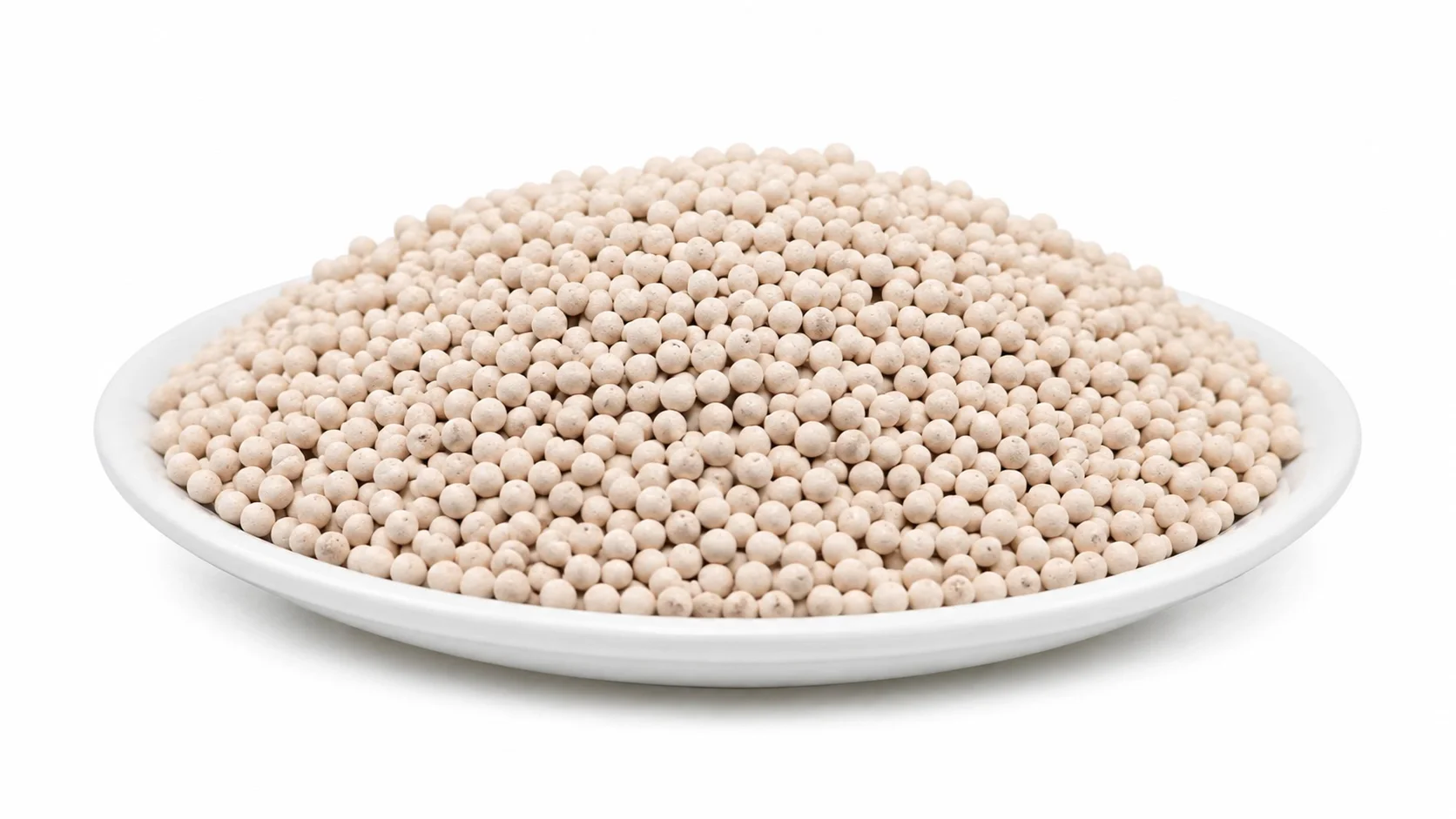
Contained adsorbent support
Project-defined cold zone
- Structure
- Adsorbent and molecular-sieve support materials
- Temperature range
- application specific
- Recommended vacuum condition
- Selected from the assembly gas species, gas load, target pressure, operating temperature, activation method, containment, service interval, and regeneration concept. It supports but does not replace leak-tight construction and pumping design.
- Thermal performance
- No standalone apparent-conductivity or heat-flux value applies. Thermal impact depends on containment, mass, location, contact path, and the vacuum improvement achieved in the complete assembly.
- Width and roll options
- Supplied form, particle / pellet size, package mass, containment, and placement geometry are confirmed for the project rather than specified as roll width.
- Layer configuration options
- Loose, contained, or project-packaged adsorbent support may be considered. Quantity and zoning require a documented gas-load and thermal model.
- Processing options
- Project-specific weighing and package preparation by agreement
- Containment and labeling requirements confirmed before supply
- Coordinated shipment with insulation materials where compatible
- Typical applications
- Notes and limitations
- Capacity and service life cannot be selected from insulation area alone.
- Activation, exposure control, contamination, compatibility, containment, and regeneration are system responsibilities.
- Not a substitute for leak testing, pump sizing, bake-out planning, or vacuum instrumentation.
- Download PDF